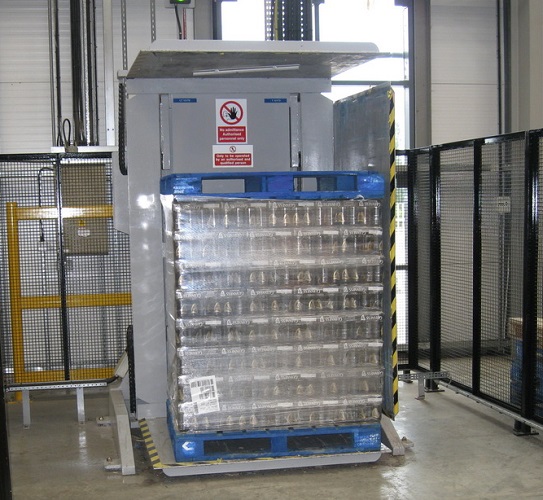
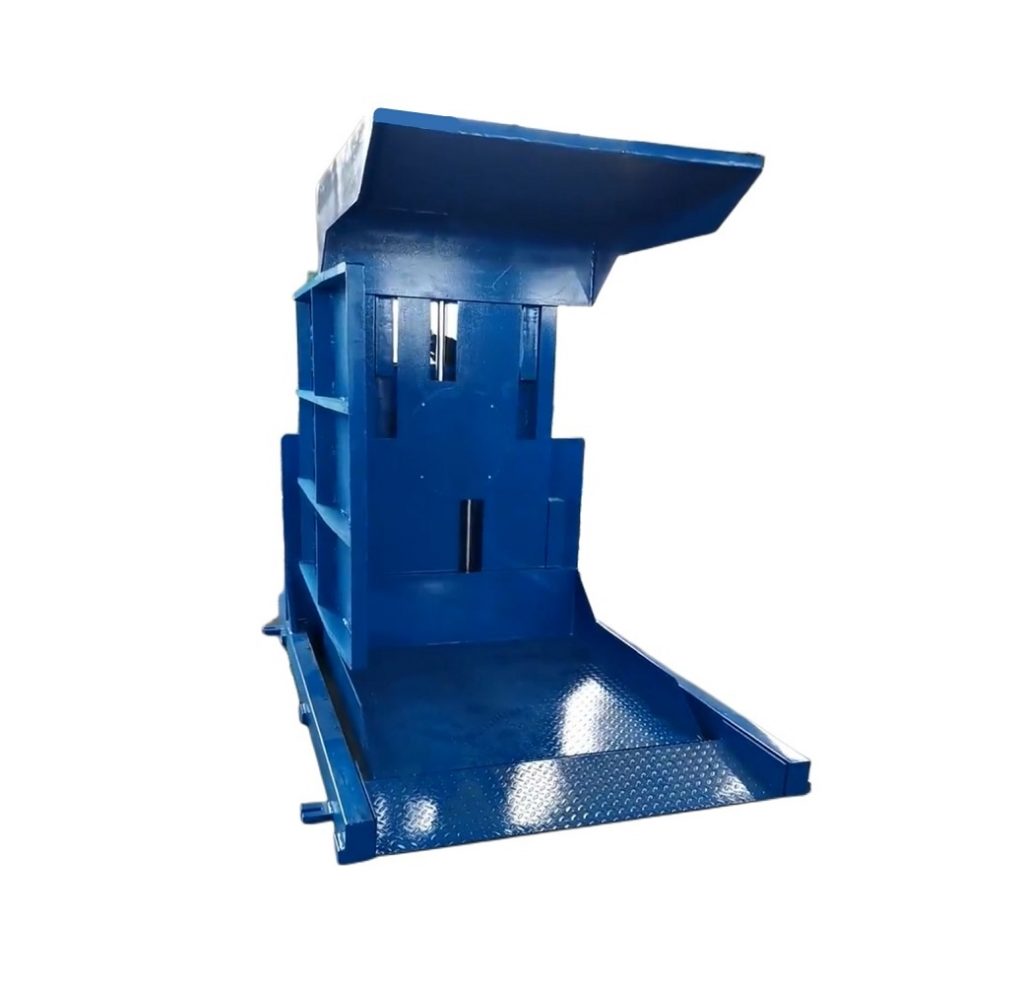
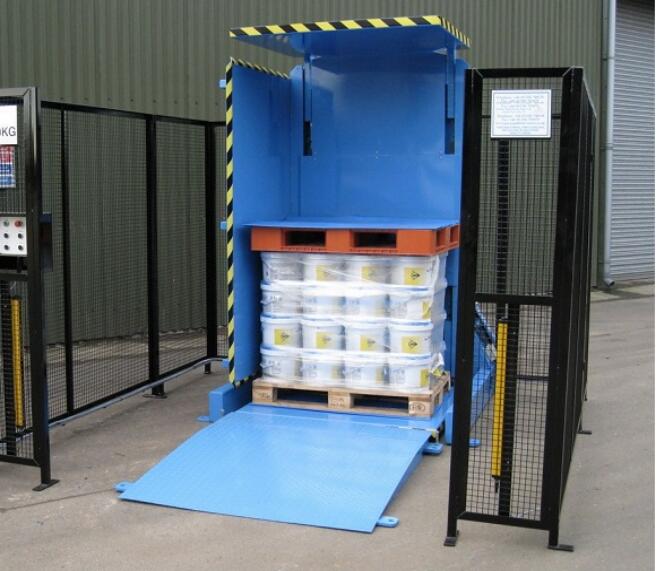
Why Pallet Inverters Are Essential for a Safe Work Environment?
Picture this: a heavy steel coil slips during a manual transfer. The sound of metal crashing is followed by a shout. In a busy factory, this scene is a manager's worst nightmare. For plant managers like Michael in Mexico, safety risks are not just statistics; they are daily pressures that threaten people and profits. The heavy manufacturing and logistics sectors face a constant battle to protect their workforce while maintaining efficiency. Every manual lift, every unstable load, and every awkward transfer is a potential accident waiting to happen. The cost of these incidents goes far beyond medical bills, impacting morale, insurance premiums, and overall operational continuity. (heavy manufacturing safety risks, logistics sector safety)
Pallet inverters are essential for a safe work environment because they automate the most dangerous material handling task: the manual transfer and rotation of heavy, unstable loads. By completely removing the need for workers to be near heavy loads during tipping or product transfer, they eliminate crush injuries, strain, and falls. This creates a fundamentally safer workflow, allowing facilities in industries like metal processing and logistics to meet safety goals while boosting productivity. (automated load transfer safety, eliminate manual handling injuries)
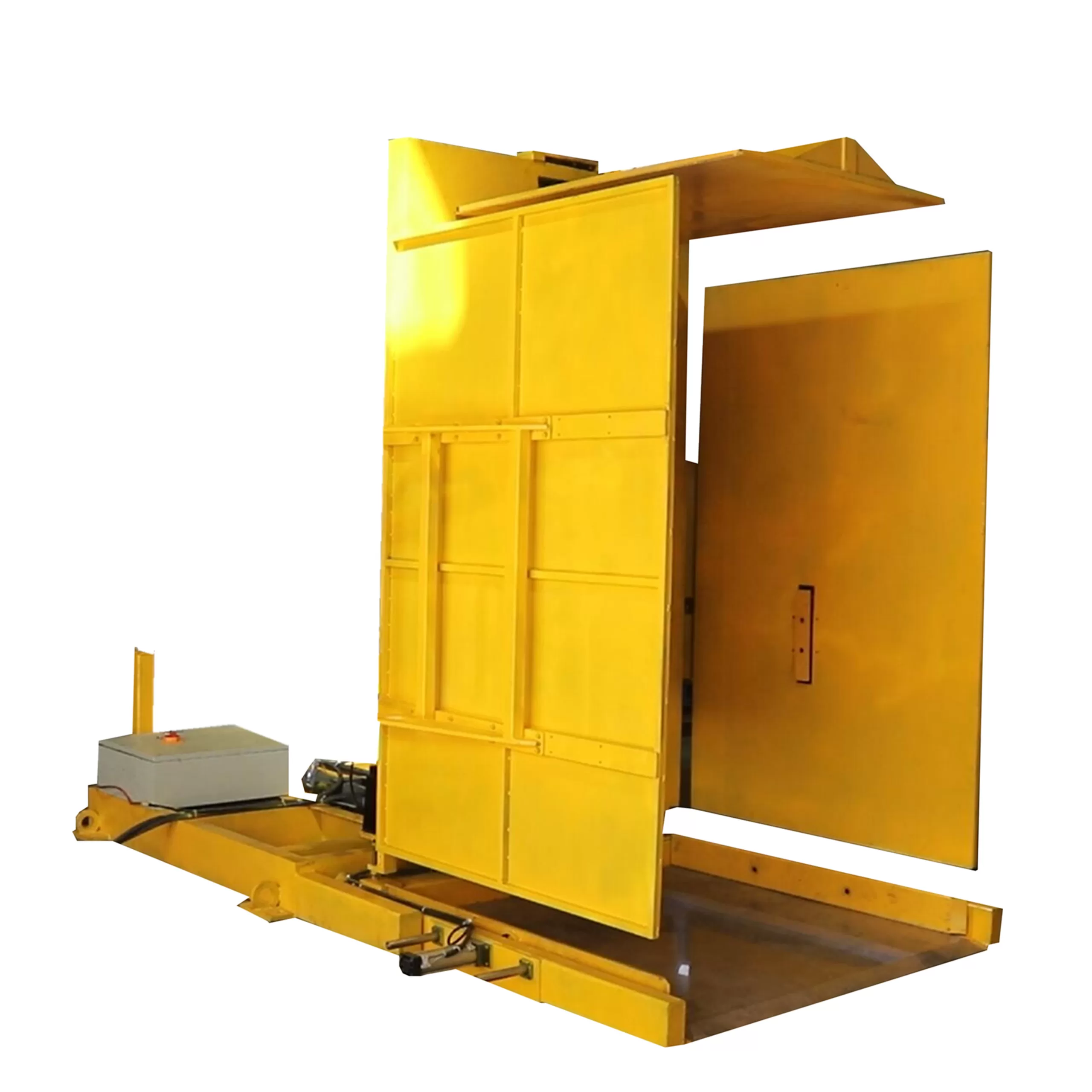
The quest for a safer factory is not just about compliance; it's a strategic investment. Many managers know they need to improve safety but are unsure which equipment offers the best return. They ask: "How can I justify the cost of new safety equipment?" or "What solution actually removes the hazard instead of just managing it?" This article will break down exactly how pallet inverters address the core safety challenges in demanding environments. We will explore their role not just as machines, but as partners in building a responsible and efficient operation. If you're tired of the constant worry about workplace injuries and are looking for a definitive solution, understanding the function of a pallet inverter is your first step. (justify safety equipment investment, definitive safety solution for factories)
1. How Do Pallet Inverters Directly Prevent Common Warehouse Injuries?
Imagine a worker trying to guide a 2-ton coil onto a new pallet. The forklift nudges it. The coil shifts suddenly. This scenario is the root cause of countless "struck-by" and "crushed-between" injuries, which are among the most severe in logistics and manufacturing. Manual load transfer is inherently risky. Pallet inverters attack this problem at its source by redefining the entire transfer process. The operator never needs to be in the "line of fire." They control the machine from a safe distance, using buttons or a remote. The heavy lifting, tilting, and securing are all done within the machine's sturdy frame. This simple change in procedure has a profound impact on safety metrics. (prevent struck-by injuries, safe distance load handling)
Pallet inverters directly prevent common warehouse and factory injuries by automating the high-risk tasks of load tipping, transfer, and stabilization. They eliminate the need for workers to use pry bars, guide loads by hand, or work underneath suspended goods, thereby preventing crush injuries, musculoskeletal disorders from overexertion, and slips/trips caused by unstable loads. (automate high-risk tipping tasks, prevent musculoskeletal disorders)
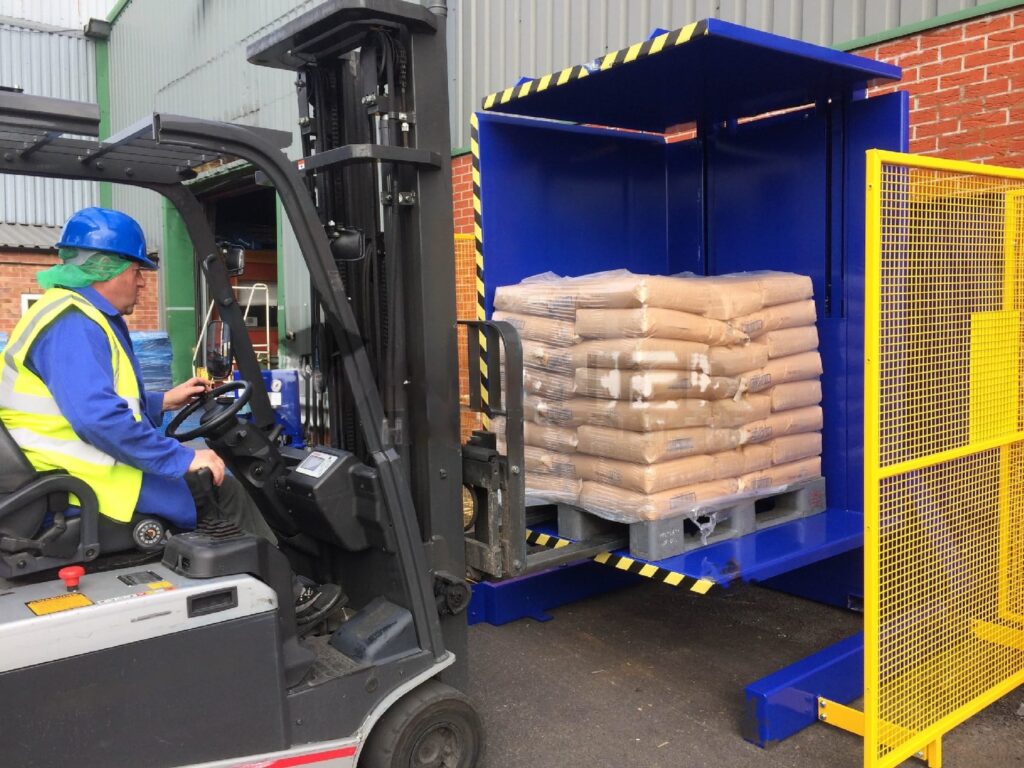
Let's dive deeper into the specific injury risks they mitigate and how the machine's design ensures safety.
🛡️ Injury Prevention Mechanism: A Detailed Breakdown
A pallet inverter functions like a controlled, robotic hand for your heaviest products. Its safety contribution can be broken down into three key areas:
| Common Manual Handling Risk | How Pallet Inverter Eliminates It | Direct Safety Outcome |
|---|---|---|
| Manual Load Guidance & Stabilization | The load is fully clamped and supported by the machine's platens throughout the entire 180-degree rotation. No human hands are needed to steady it. | Eliminates caught-between or crush injuries to hands and fingers. |
| Overexertion from Pushing/Pulling | Hydraulic or electric systems provide all the force needed to move and invert the load. Workers only operate controls. | Prevents back injuries, hernias, and muscle strains. |
| Working Under a Suspended Load | The transfer happens between two secure, ground-level platforms (the old and new pallet). The load is never freely suspended over workers. | Removes the risk of being struck by a falling object. |
| Trip Hazards from Broken Pallets/Straps | Damaged bottom pallets and debris are contained within the machine during the swap and can be disposed of safely afterward. | Prevents slips, trips, and falls, and injuries from snapping straps. |
| Forklift-Related Accidents during Transfer | Reduces the number of precise forklift maneuvers needed near personnel, as the forklift only delivers and removes unit loads. | Lowers the risk of forklift-pedestrian collisions. |
🔧 The "Safety by Design" Features
Modern pallet inverters, especially from leading manufacturers like Fengding, are built with integrated safety systems:
- Interlocked Guards: The machine cannot operate if safety gates or light curtains are breached.
- Load Containment: The design ensures that even if a product shifts, it is contained within the robust steel frame of the inverter, not ejected into the workspace.
- Emergency Stop Systems: Multiple, easily accessible E-stop buttons allow for immediate shutdown.
- Stable Base: A heavy, welded frame prevents any tipping or movement during operation, ensuring stability.
For a plant manager, this translates to predictable risk management. You are not just hoping workers follow procedures; you are using engineering controls to physically remove the hazard. This is the highest level of safety intervention and the most reliable. The result is a calmer, more confident workforce and a significant reduction in recordable incidents and associated costs. (engineering controls for hazard removal, predictable risk management in material handling)
2. What Makes a Pallet Inverter a Reliable Safety Investment for Harsh Industrial Environments?
In a metal processing plant, equipment doesn't just get dirty—it gets battered. Dust, moisture, heavy impacts, and constant use break down machines that aren't built for it. A safety device that frequently fails is worse than no device at all; it creates a false sense of security and becomes a maintenance nightmare. Managers need equipment that is as tough as their products. They ask, "Will this machine hold up under daily stress, or will it become a source of downtime and frustration?" Reliability is the foundation of lasting safety. A pallet inverter must be more than a safety feature; it must be a durable, always-ready workhorse. (durable equipment for harsh environments, reliable safety workhorse)
A pallet inverter is a reliable safety investment for harsh industrial environments when it is constructed with heavy-duty components like reinforced steel frames, industrial-grade hydraulics, and sealed electrical systems. This robust build ensures consistent, safe operation day after day, even in demanding conditions like steel mills or wire rod plants, preventing the safety failures that occur with lighter, less durable equipment. (heavy-duty pallet inverter construction, reliable operation in steel mills)
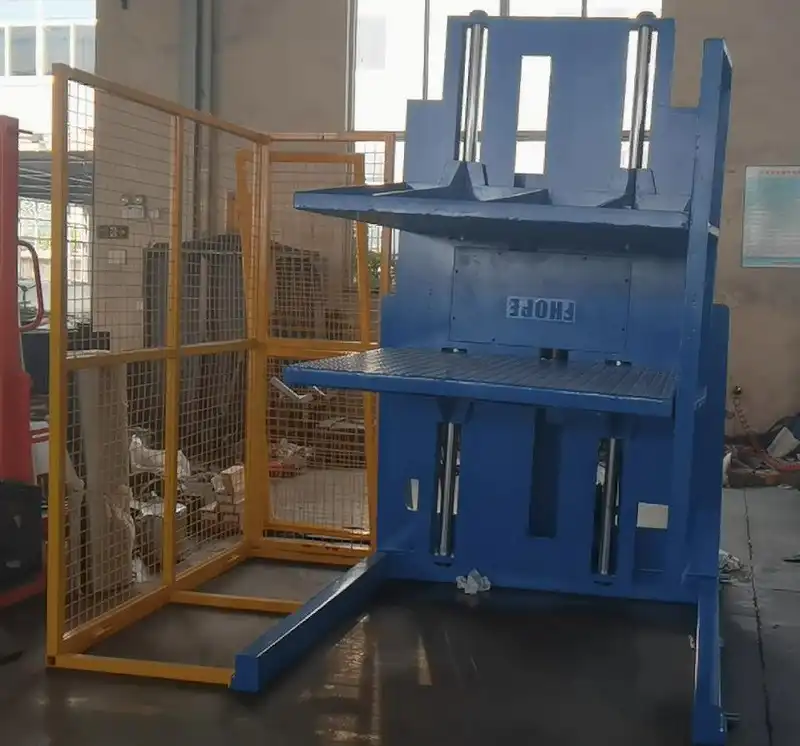
The reliability stems from specific design and manufacturing choices. Let's examine what to look for.
⚙️ Core Components Built for Longevity
The reliability of a pallet inverter is determined by the quality of its core systems:
-
Frame & Structure:
- Material: Look for high-tensile steel plate, not lightweight tubing. The frame should be fully welded for rigidity.
- Design: A wide, low center of gravity prevents rocking during the inversion of off-center loads. Brands like Fengding often use computer-aided design to optimize stress points.
- Why it matters for safety: A bent or cracked frame can lead to misalignment, causing loads to bind or drop unexpectedly. A solid frame is the non-negotiable base of safe operation.
-
Hydraulic System:
- Components: Industrial-grade pumps, valves, and cylinders from reputable suppliers (e.g., Bosch Rexroth, Parker) are essential.
- Protection: Hydraulic lines should be routed internally or within protective conduits to prevent damage from forklifts or falling debris.
- Why it matters for safety: Hydraulic leaks can cause sudden loss of control or create slippery floor hazards. A robust, leak-resistant system ensures smooth, predictable movement every time.
-
Clamping & Drive Mechanism:
- Clamping Force: The platens must provide even, powerful clamping to prevent load shift during rotation. Inconsistent clamping is a major safety risk.
- Drive Type: Heavy-duty chain or gear drives are more reliable for high-cycle applications than lighter belt drives.
- Why it matters for safety: If a load slips during inversion, the consequences are catastrophic. The clamping and drive system must be utterly dependable.
📊 The ROI of Reliability: Beyond the Machine Price
Choosing a reliable pallet inverter from a trusted manufacturer like Fengding (with Wuxi Buhui as another solid option) has a clear return on investment for safety:
- Reduced Unscheduled Downtime: A reliable machine stays online, keeping workers in the safe, automated process and out of manual workarounds.
- Lower Lifetime Cost: Durable components last longer and require less frequent, less expensive repairs.
- Consistent Safety Performance: The safety benefit is not a one-time event but a continuous, daily outcome. You can audit your process and trust that the safety control is always active.
In short, the machine's reliability is what allows its safety features to be effective over the long term. It turns a capital expenditure into a durable safety asset that protects your people and your productivity for years. (durable safety asset, long-term safety performance of equipment)
3. How Can Automating Load Transfer with a Pallet Inverter Improve Overall Operational Safety Culture?
Safety culture is more than rules on a wall. It's the shared attitude and behaviors of everyone in the factory. When workers see that management invests in equipment that genuinely protects them, it builds trust. Conversely, if they are constantly asked to perform risky manual tasks, they feel like their safety is not a priority. Automating a dangerous job with a pallet inverter sends a powerful message. It shows a commitment to "safety by design" rather than just "safety by procedure." This shift can transform how employees think about and engage with safety protocols across the entire operation. (improve safety culture, safety by design commitment)
Automating load transfer with a pallet inverter improves overall operational safety culture by tangibly demonstrating management's commitment to employee well-being. It moves safety from a set of restrictive rules ("don't do that") to an empowering tool ("use this machine"). This reduces resistance to safety protocols, encourages proactive hazard reporting, and fosters a shared sense of responsibility for maintaining a safe workspace, as the technology itself becomes a core part of the safe workflow. (empowering safety tools, proactive hazard reporting culture)
The impact on culture is multifaceted and creates a positive feedback loop that enhances safety beyond the single task.
🔄 The Positive Feedback Loop of Automated Safety
Introducing a pallet inverter creates a chain reaction of positive cultural changes:
graph LR
A[Investment in Pallet Inverter] --> B[Removal of High-Risk Manual Task];
B --> C[Visible Management Commitment];
C --> D[Increased Employee Trust & Buy-In];
D --> E[Better Adoption of Other Safety Measures];
E --> F[Reduced Incident Rate & Fear];
F --> G[Higher Morale & Productivity];
G --> H[Stronger, Self-Reinforcing Safety Culture];
💡 Changing Daily Behaviors and Mindsets
- From Compliance to Ownership: Workers are no longer just following a rule to avoid injury; they are operating a machine that makes injury unlikely. This shifts their role from passive rule-follower to active process operator, fostering ownership.
- Opens Dialogue on Other Hazards: Success with one engineering control often leads workers to ask, "What other dangerous tasks can we make safer?" It opens the door for valuable frontline input on other improvements.
- Reduces "Shortcut" Mentality: Manual load transfer often invites dangerous shortcuts to save time. The automated process is inherently the fastest and easiest method, so there is no incentive to bypass safety.
- Attracts and Retains Talent: A visibly safe and modern work environment helps attract skilled workers and reduces turnover. Skilled, experienced workers are themselves a critical component of a strong safety culture.
For a manager like Michael, this cultural shift is invaluable. It turns safety from a cost center and a source of tension into a collaborative value that drives operational excellence. The pallet inverter becomes more than a piece of equipment; it becomes a catalyst for building a safer, more engaged, and more efficient team. (catalyst for safety culture, collaborative safety value in operations)
4. Beyond Basic Safety: What Additional Risk Reductions Do Pallet Inverters Provide?
When we think of safety, we often focus on immediate physical injury. However, in an industrial setting, risks are interconnected. A single incident can trigger a cascade of other problems that harm the business. Pallet inverters provide a holistic risk mitigation strategy. They address not only the acute danger to workers but also the chronic risks to product quality, equipment longevity, and regulatory compliance. This broader view of risk reduction is what makes them a strategic asset for any operations director concerned with total cost of ownership and business continuity. (holistic risk mitigation strategy, strategic asset for operations)
Beyond preventing worker injuries, pallet inverters provide critical risk reductions in product damage, infrastructure wear-and-tear, and regulatory non-compliance. By ensuring gentle, controlled handling, they protect product edges and packaging, preventing financial loss and customer complaints. They also minimize damage to factory floors and racks from heavy impacts and reduce the risk of costly fines from safety inspector violations related to manual handling practices. (reduce product damage risk, prevent regulatory non-compliance fines)
Let's expand on these often-overlooked but critical areas of risk.
🛡️ The Multi-Layered Risk Shield
A quality pallet inverter acts as a shield against several layers of operational risk:
-
Financial Risk from Product Damage:
- The Problem: Manual transfer with forklifts often leads to crushed edges on coils, dents on bundles, or torn packaging. This results in scrap, rework, customer chargebacks, and reputational harm.
- The Inverter Solution: The controlled, 180-degree rotation keeps the load perfectly aligned and supported. There is no lateral dragging or impact. The product settles gently onto the new pallet. This is especially crucial for pre-painted coils or finished goods.
- Bottom Line: You protect your margin by shipping undamaged products. (protect coil edges during transfer, prevent finished goods damage)
-
Infrastructure & Equipment Risk:
- The Problem: Forklifts scraping floors, colliding with racking, or dropping loads cause expensive damage to the facility itself. Manual methods also increase wear on forklift tires and hydraulics.
- The Inverter Solution: The inverter is a fixed or mobile station where transfers happen. It contains the process. Forklifts simply drop off and pick up, reducing high-precision, high-risk travel through the plant. This extends the life of your MHE (Material Handling Equipment) and building infrastructure.
- Bottom Line: You lower maintenance and repair costs for your entire facility. (reduce forklift damage to infrastructure, extend material handling equipment life)
-
Regulatory & Compliance Risk:
- The Problem: Occupational health and safety inspectors increasingly focus on manual handling risks. Facilities can be cited or fined for not implementing feasible engineering controls. Manual handling also leads to more recordable incidents, which can affect insurance ratings and premiums.
- The Inverter Solution: Installing a pallet inverter is documented proof that you have implemented a top-tier engineering control to address a known hazard. It demonstrates proactive safety management and makes compliance audits straightforward.
- Bottom Line: You achieve and demonstrate compliance, potentially lowering insurance costs and avoiding penalties. (demonstrate OSHA compliance, lower insurance premiums with engineering controls)
By addressing these ancillary risks, the pallet inverter pays for itself through multiple channels, not just labor savings. It protects your people, your product, your property, and your legal standing. This comprehensive risk management is the mark of a mature, forward-thinking operation. (comprehensive operational risk management, forward-thinking plant investment)
Conclusion
Investing in a robust Pallet Inverter is a direct investment in a safer, more efficient, and more profitable future for any heavy-industry facility. It turns a major hazard into a controlled, reliable process.