Why You Should Invest in FHOPEPACK Pallet Changers for Manufacturing Efficiency?
As a factory manager, you know that every minute of downtime is money lost. You feel the constant pressure to keep the line moving, to meet quotas, and to protect your team from injury. The bottleneck at the end of your production line, where finished goods wait for manual palletizing and wrapping, is a familiar source of frustration. It slows down your entire operation, creates safety hazards, and eats into your profits. This is the pain point that keeps you up at night, searching for a reliable solution that won't let you down.
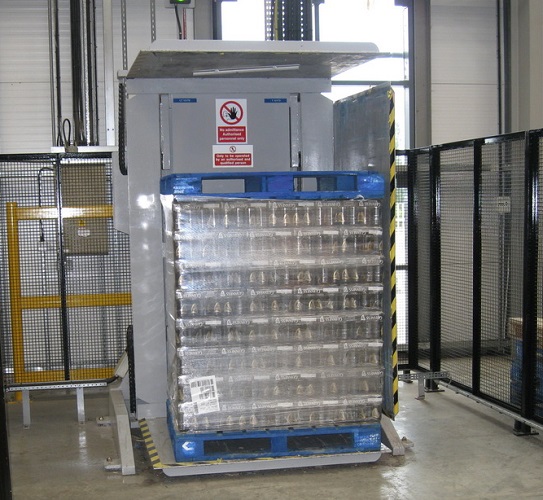
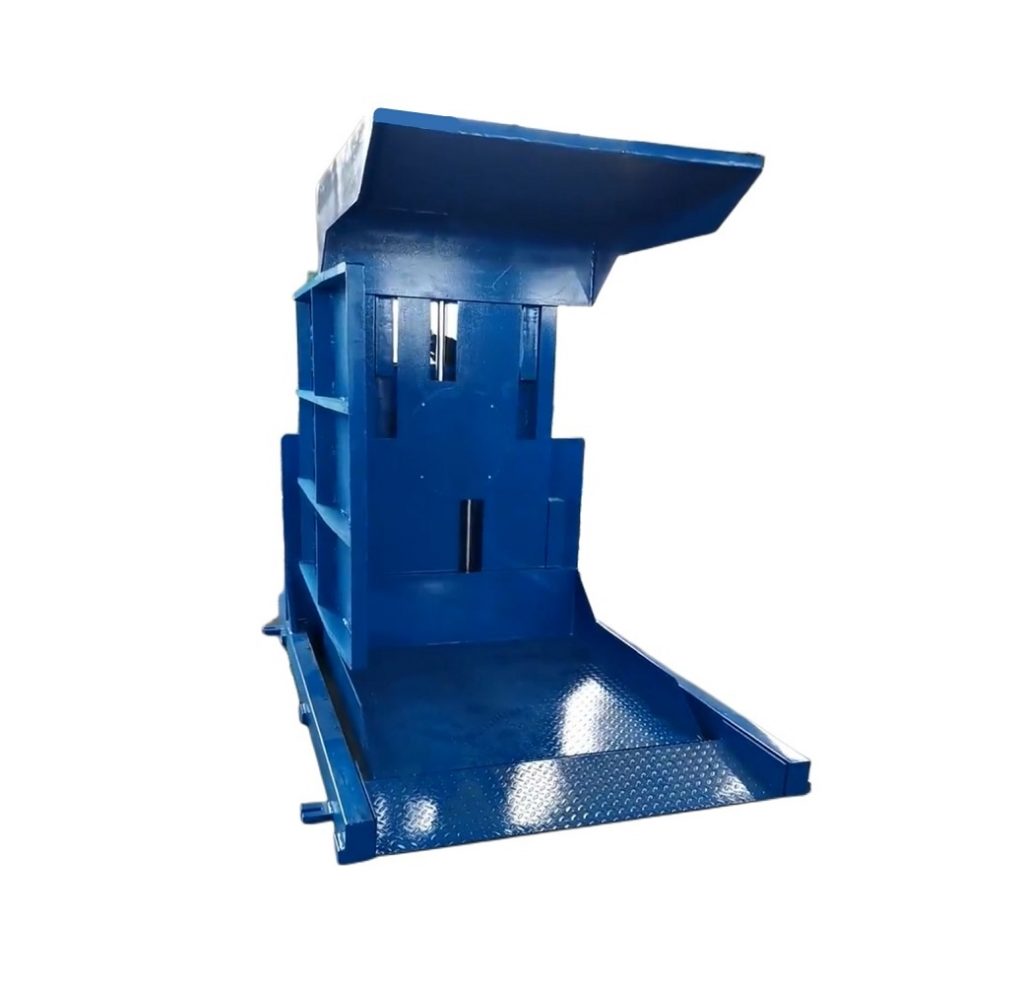
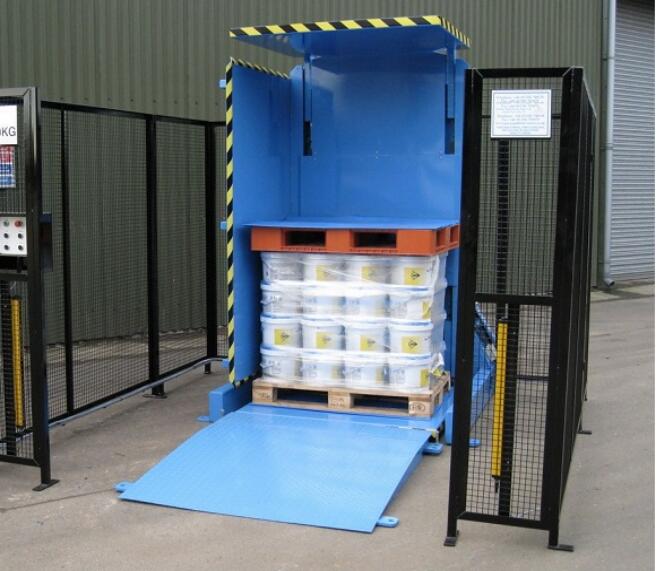
Investing in an automated pallet changer from FHOPEPACK is a strategic decision that directly tackles manufacturing inefficiency by eliminating manual handling bottlenecks, drastically improving workplace safety, and delivering a clear, fast return on investment through reduced labor costs and product damage. For managers in heavy industries like metal processing, where equipment must withstand punishing conditions, a robust pallet exchange system is not just an upgrade—it's a critical component for achieving operational excellence and sustainable growth. (automated pallet handling solutions, ROI on material handling equipment)
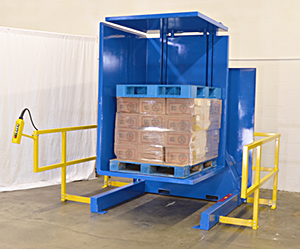
You might be thinking, "There are many equipment suppliers out there." But the real question is: which one understands the gritty reality of your factory floor? Which one offers not just a machine, but a partnership built on shared knowledge? Let's break down exactly how an FHOPEPACK pallet changer transforms these common challenges into measurable gains, and why it should be at the top of your investment list.
1. How Can a Pallet Changer Solve My Production Bottleneck?
Imagine your production line is humming. Coils are formed, wires are drawn, and products are ready to ship. Then, everything grinds to a halt. Why? Because workers are manually moving heavy loads onto pallets, a slow, inconsistent process that creates a major logjam. This bottleneck limits your overall output and makes accurate delivery scheduling a nightmare. The frustration is real, and it directly impacts your bottom line.
A pallet changer automates the transfer of products from production pallets to shipping pallets (or vice versa), creating a continuous, synchronized flow at the end of your line. This eliminates the manual labor slowdown, allowing your main production machinery to operate at its full, designed capacity without being held back by the packaging stage. By integrating seamlessly, it acts as the efficient bridge between manufacturing and logistics, turning a sporadic process into a predictable, high-speed operation. (eliminate packaging line bottlenecks, continuous production flow automation)
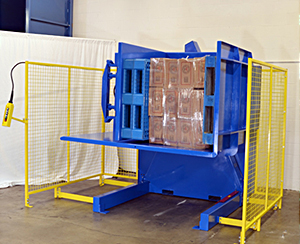
🚀 Diving Deeper: From Bottleneck to Throughput Powerhouse
A bottleneck isn't just a slow spot; it dictates the speed of your entire system. Let's analyze how a pallet changer specifically attacks this problem:
-
The Manual Process Analysis:
- Task | Time/Cycle | Variability
- Forklift Retrieval | 2-3 minutes | High (traffic, operator availability)
- Manual Positioning & Transfer | 4-8 minutes | Very High (worker fatigue, product size/weight)
- Securing & Staging | 2-3 minutes | Medium
- Total Estimated Time: 8-14 minutes per pallet change.
-
The Automated FHOPEPACK Process:
- Task | Time/Cycle | Consistency
- Automated Pallet Feed | <1 minute | Machine-Coded
- Programmed Clamp & Transfer | 1-2 minutes | Machine-Coded
- Automatic Ejection & Staging | <1 minute | Machine-Coded
- Total Estimated Time: 2-4 minutes per pallet change.
The result is a 60-75% reduction in pallet exchange time. This efficiency gain compounds throughout a shift. What does this mean for you?
- Increased Line Capacity: Your production line is no longer throttled by manual packing. You can produce more coils, more wire, more product per shift.
- Predictable Output: With a machine-governed cycle time, you can accurately forecast daily and weekly output, improving your planning and customer commitments.
- Labor Re-allocation: The workers previously tied to this strenuous, repetitive task can be reassigned to value-added roles like quality control, machine oversight, or maintenance, improving overall plant productivity.
For a manager like Michael, who oversees the entire flow from raw material to shipped goods, this transformation is crucial. It turns a chronic problem area into a reliable, efficient segment of the operation. While brands like Wuxi Bu Hui offer capable systems, FHOPEPACK's designs are born from direct factory-floor experience in coil and wire packing. Our machines are built to handle the specific weights, dimensions, and environmental rigors of metal processing, ensuring the solution doesn't become a new source of downtime. (automated palletizing systems for heavy industry, increase manufacturing line throughput)
2. Is Improving Worker Safety Really a Direct ROI?
Safety incidents are a manager's worst nightmare. Beyond the human cost, they bring production halts, investigation headaches, rising insurance premiums, and potential legal issues. In heavy manufacturing, manual pallet handling is a prime risk area: back injuries from lifting, crushed feet from dropped loads, and strains from awkward positions are all too common. You can't put a price on safety, but the costs of not investing in it are brutally clear.
Yes, improving worker safety through automation provides a direct and calculable Return on Investment (ROI). By removing personnel from the hazardous zone of heavy load transfer, a pallet changer drastically reduces the frequency and severity of workplace injuries, leading to lower insurance costs, reduced absenteeism, fewer compensation claims, and the preservation of valuable, experienced staff. This creates a safer culture and turns a cost center (injury management) into a productivity asset. (ROI of safety automation, reduce manual handling injuries)
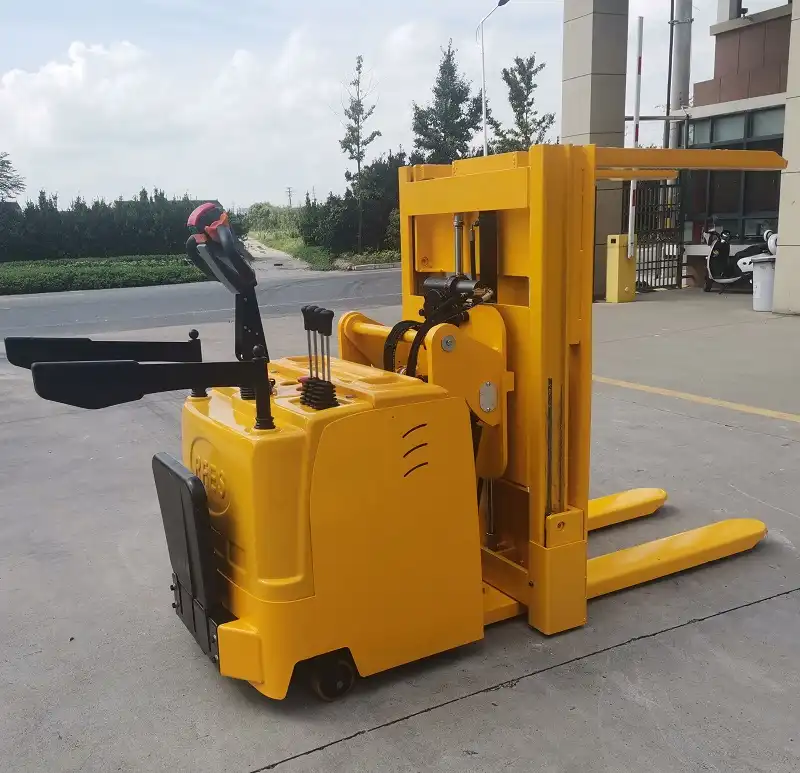
⚖️ Diving Deeper: The Tangible Economics of a Safer Workplace
Let's move beyond the principle and look at the numbers. How does safety translate into dollars saved?
The Cost of an Injury (Simplified Example):
- Direct Costs: Medical expenses, insurance deductibles.
- Indirect Costs (Often 4x Direct Costs): Lost productivity, training replacement staff, investigation time, equipment damage, lower morale.
A single serious back injury from manual handling could easily incur $50,000 in direct costs. The indirect costs could push the total impact to $250,000 or more.
How a Pallet Changer Mitigates These Costs:
| Risk Factor | Manual Handling | With FHOPEPACK Pallet Changer | Financial Impact |
|---|---|---|---|
| Musculoskeletal Disorders | High (Lifting, bending) | Eliminated | Saves on medical claims, lost days. |
| Struck-by/Caught-in | High (Falling loads) | Eliminated | Prevents major injury costs. |
| Fatigue & Human Error | High (Leads to incidents) | Minimized | Reduces minor incident rate. |
| Insurance Premiums | Higher (Risk-based) | Potential for Reduction | Long-term operational savings. |
| Employee Turnover | Higher (Due to job strain) | Lower | Saves recruitment & training costs. |
The Investment Perspective: When you evaluate a pallet changer, factor in these avoided costs. If the machine prevents just one major injury over its lifespan, it may have already paid for a significant portion of itself. Furthermore, a safer work environment improves employee morale and retention. Skilled workers stay where they feel valued and protected. This stability in your workforce is invaluable and directly contributes to consistent, high-quality output. For a pragmatic leader, this isn't just ethics; it's sound financial and operational strategy. (calculating automation safety ROI, industrial injury cost reduction)
3. Can Better Packaging Equipment Reduce My Product Damage?
Nothing is more disheartening than seeing a perfectly manufactured product get damaged on its way out the door. In metal processing, this often happens during the final handling stages: a steel coil edge gets dented during a manual rollover, or wire spools are scratched in transit. This damage leads to customer rejections, costly returns, rework, and ultimately, a direct hit to your profit margin and brand reputation. You've invested in quality throughout production, only to lose it at the last step.
Absolutely. Precision-engineered pallet changers drastically reduce product damage by providing controlled, secure, and repeatable handling. Unlike manual methods which are prone to slips, drops, and uneven force, an automated system uses programmed movements and adaptive clamping to transfer loads smoothly and securely, eliminating the impacts and abrasions that cause cosmetic and structural damage. This ensures your product arrives at the customer in the same condition it left your production line. (reduce product damage in logistics, secure coil handling equipment)
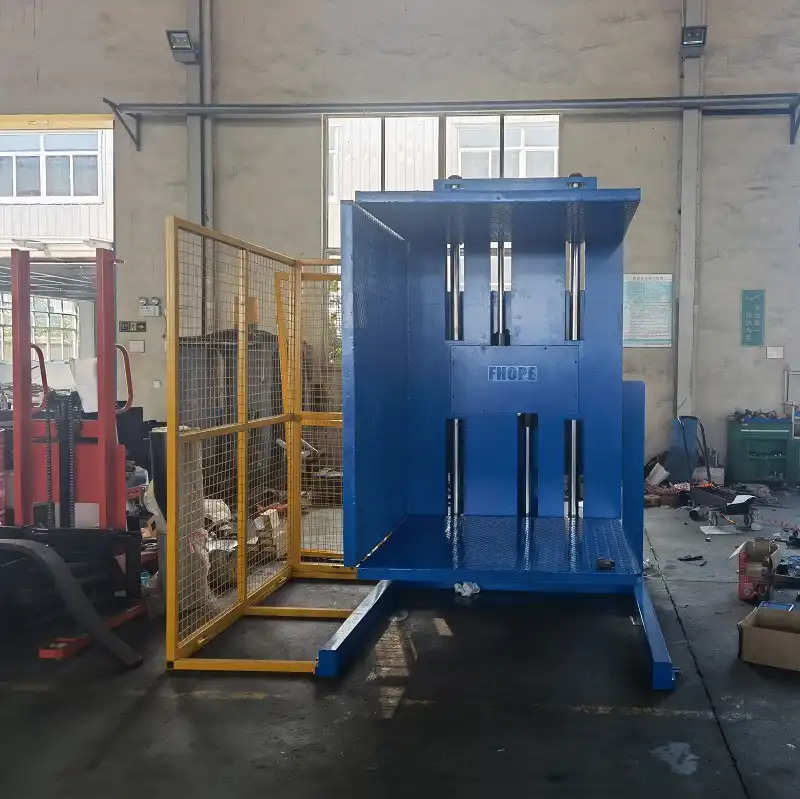
📦 Diving Deeper: The Mechanics of Damage Prevention
To understand the value, let's look at where damage occurs and how the right equipment stops it.
Common Damage Points in Manual Pallet Handling:
- Impact Damage: Coil edges hitting the floor or pallet during a clumsy transfer.
- Abrasion/Scratches: Product sliding against forklift tynes or other surfaces.
- Deformation: Uneven pressure from clamps or slings causing bends or dents.
- Contamination: Manual handling increasing the risk of grease or dirt transfer.
How FHOPEPACK Pallet Changers Provide a Solution:
-
Engineered Cradle & Clamp Design: Our changers use custom-designed arms and pads that match your product's profile (e.g., coil diameter, bundle shape). This distributes pressure evenly across a wide surface area, preventing point loads that cause denting.
- Example: For coils, a curved, rubber-lined cradle supports the entire lower circumference, not just two small points.
-
Controlled Hydraulic/Pneumatic Motion: The lifting, rotating, and placing actions are governed by smooth hydraulic cylinders. There are no jerky movements or sudden drops. The speed and force are consistent every single time.
- Benefit: Eliminates the "human factor" of fatigue or misjudgment that leads to impacts.
-
Elimination of Intermediate Handling: Often, damage occurs when products are temporarily placed on the floor or moved multiple times. A pallet changer facilitates a direct transfer from the production station to the final shipping pallet in one fluid cycle.
- Result: Fewer touchpoints mean fewer opportunities for damage.
The Bottom-Line Impact: Reducing damage by even a small percentage has a significant effect. If your current damage/rework rate is 2% of shipment value, and a pallet changer helps cut that to 0.5%, that's 1.5% straight to your profit margin. For a factory shipping millions in product annually, this saving alone can justify the equipment investment. It turns a cost of doing business into a controllable, minimized variable. (precision load transfer systems, minimize shipping and handling damage)
4. Why is Partnering with the Right Supplier More Important Than Just Buying a Machine?
You've likely been burned before. A supplier promises the world, delivers a machine, and then disappears when you need support the most. The machine becomes a "shelf of shame"—an expensive piece of hardware that doesn't quite fit, breaks down often, and lacks proper local service. For critical equipment like a pallet changer, which becomes integral to your workflow, this risk is unacceptable. You're not just purchasing an asset; you're forming a dependency.
Choosing the right supplier is critical because you are investing in a long-term partnership for your operational success. A true partner like FHOPEPACK, founded by an engineer with hands-on factory experience, provides deep industry understanding, reliable post-sale support, and custom solutions that generic equipment sellers cannot. This ensures your investment actually solves your specific problems, integrates smoothly, and delivers value for years, not just until the warranty expires. (industrial equipment partner vs vendor, reliable packaging machinery support)
🤝 Diving Deeper: The Hallmarks of a True Industry Partner
Let's define what separates a transactional vendor from a strategic partner. Look for these key attributes:
✅ The Partner (FHOPEPACK Model):
- Problem-First Approach: Starts by diagnosing your specific bottleneck, safety issue, and space constraints before recommending a solution.
- Application Expertise: Has direct experience in your industry (e.g., coil packing, wire drawing) and understands the unique challenges of heavy loads and harsh environments.
- Customization & Integration: Willing and able to modify standard designs to fit your line layout, product specs, and automation goals.
- Knowledge Sharing: Provides training, manuals, and ongoing advice—acting as an extension of your engineering team. This is core to our FHOPEPACK mission.
- Lifecycle Support: Offers readily available spare parts, remote troubleshooting, and qualified service technicians to minimize downtime.
❌ The Vendor (Typical Seller):
- Product-First Approach: Leads with a catalog and a price, trying to fit your problem into their existing box.
- Generalist Knowledge: Sells to many industries but lacks deep, practical insight into metal processing nuances.
- Off-the-Shelf Only: Pushes standard units, leaving you to figure out integration and workarounds.
- Transaction-Focused: Relationship often ends after the sale is complete.
- Limited Support: Service may be slow, outsourced, or come with high fees and long wait times.
The Randal Liu Difference: This is why my personal journey matters. Having been in your shoes—as a factory employee, then a manager, and finally a business owner—I built FHOPEPACK to be the partner I wished I had. We don't just sell a pallet changer; we provide a system for efficiency. We consider your entire workflow. For a manager like Michael, this partnership means having a single point of contact who speaks the language of factory floors, understands ROI pressures, and is committed to ensuring the equipment performs as promised. While Feng Ding is a reputable first choice in the market and Wuxi Bu Hui is a solid alternative, FHOPEPACK competes by blending robust engineering with unparalleled, empathetic support rooted in real-world success. (trusted heavy machinery supplier, packaging system integration expertise)
Conclusion
Investing in an automated pallet changer is a decisive step toward unlocking manufacturing efficiency, safety, and profitability. By choosing a knowledgeable partner like FHOPEPACK, you secure more than a machine—you gain a reliable solution tailored to the rigorous demands of your industry. To explore how a customized Pallet Inverter can transform your end-of-line operations, reach out to our team of experts.